Midwives are one of the most undervalued but influential professional groups in healthcare. Their work is not limited to the delivery room, but extends throughout pregnancy and early parenthood. Both in Finland and around the world, midwifery has proven to be one of the most cost-effective ways to improve the health of women and newborns. According to international estimates, up to 80% of deaths occurring during pregnancy and childbirth could be prevented through high-quality midwifery. Midwives are trained to spot risks early on and make timely decisions that not only improve care but also save lives.
The skills of a midwife are much broader than many believe. Both in Finland and internationally, midwives provide antenatal check-ups and support for breastfeeding, help with family planning, infertility treatments and contraceptive counselling, offer guidance on sexual and reproductive health and serve as an important support for families throughout the pregnancy and birth process. Their work is a holistic approach to care, where the physical, psychological and social aspects are intertwined.
At the national level, the importance of midwives really shines through: our maternal and newborn mortality rates are among the lowest in the world, births are safe and care is provided at an equal basis. The effectiveness of midwifery is also reflected in costs, as preventive work and early support reduce the need for more intensive interventions, conserving both individuals and the health system.
Globally, however, the situation is quite different. It is estimated that there is a shortage of nearly a million midwives worldwide, undermining women's access to safe and respectful care. This shortage of midwives leads to increased complications and widening health inequalities and slows down the development of countries. As a response to this, the various world health organisations have repeatedly stressed that investing in midwifery is one of the most effective ways to promote health and sustainable development.
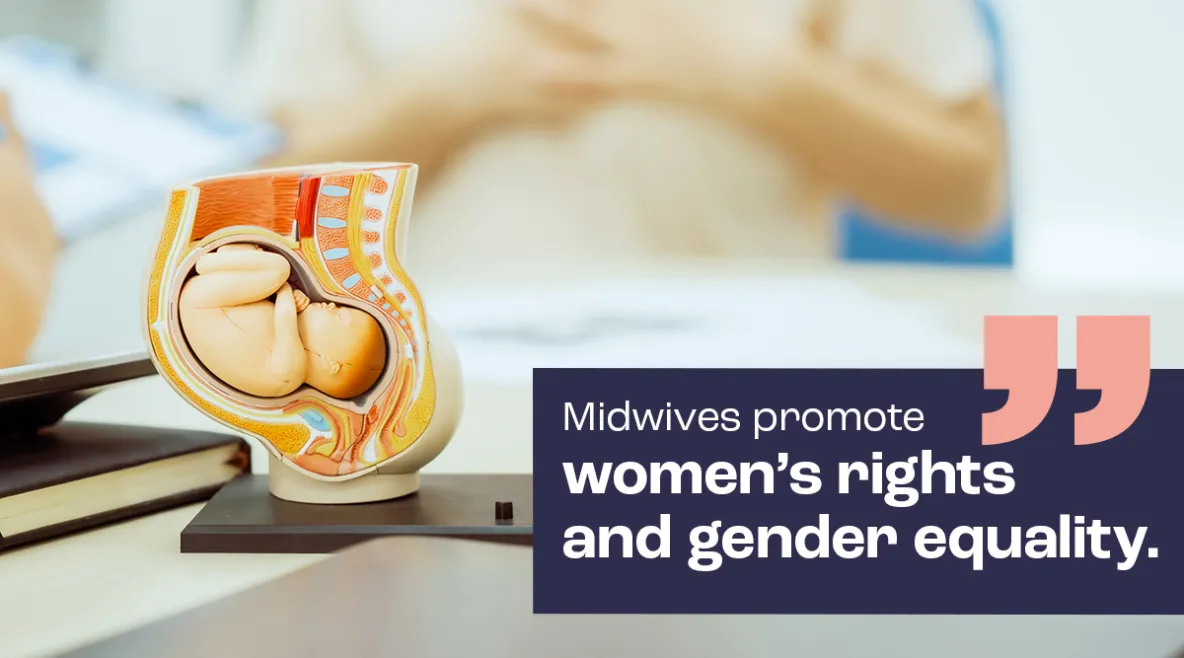
Midwives are not only professionals of nursing, but also play a key role in promoting women's rights and equality. They empower women to make autonomous decisions about pregnancy, childbirth and their own bodies and provide safe and respectful treatment and care for all. In many countries, midwives are a woman's first and often only contact with health care, which makes their role invaluable.
The work of midwives will bear fruit long into the future. Studies show that continuity of care and the presence of midwives throughout the pregnancy help reduce premature births, increase the satisfaction of women giving birth and strengthen the well-being of families. When a family is well, society as a whole is doing better.
Ultimately, midwifery is much more than individual care encounters. It is an investment in healthier mothers, safer births, better prevention of infant mortality, promotion of equality and more stable societies.