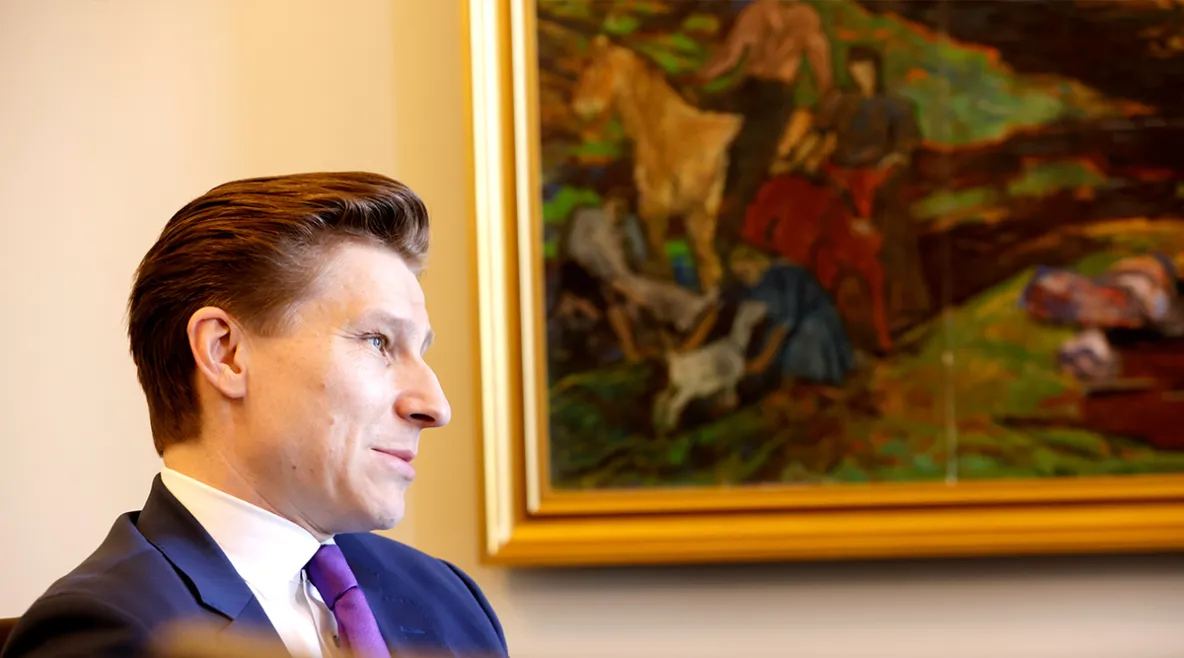
Finland is currently undertaking society-wide preparedness measures, says Minister of Defence Antti Häkkänen in a special interview with the Tehy magazine.
Although Finland is not currently facing any military threat and its overall security is at a good level, the Minister says that preparedness measures are being implemented across the board in the healthcare and social welfare sector. Classified security arrangements have been put in place across Finland, and preparedness plans are being drawn up in the wellbeing services counties.
– The Government Defence Report states that Finland must be capable of waging a sustained defensive war. This means that society as a whole must be able to withstand difficult warfare, such as an attrition war, in which the whole of society is pushed to its absolute limits, Häkkänen tells the Tehy magazine.
Further training and necessary skills for healthcare and social welfare staff must be ensured
One of the reasons for making preparations for emergency situations well in advance is to ensure that healthcare and social welfare staff receive further training and acquire the necessary skills. The Minister says that the responsibility for practical preparedness lies with the directors of the wellbeing services counties.
– It is the responsibility of the regional and local authorities to organise the necessary training and draw up detailed plans for the provision of services to the civilian population and the Finnish Defence Forces. I believe that this can be done and that we are on the right track.
According to Häkkänen, one major challenge in the event of a state of emergency is that statutory health and social services will have to be prioritised in such a way that only essential care is provided.
– If we find ourselves in an emergency situation, all functions of society will change radically. The healthcare and social welfare sector, in particular, will undergo major changes: we will have to prioritise which tasks are most important and decide how matters such as early childhood education should be organised so that parents in safety-critical roles can carry out their duties, Minister Häkkänen says in the Tehy magazine.
As Minister of Defence, Häkkänen will not attempt to assess social and health policy in detail or make recommendations on how to manage the growing needs or the overall provision of services.
In his view, healthcare and social welfare funding should be used to recruit professionals, but preparations must be made right now with the existing staff, as well as with retired professionals who have undergone refresher training.
Tehy members play a crucial role in Finland’s security
According to Minister Häkkänen, Tehy members and nurses play a crucial role in Finland’s security.
– The basic functions and care services of society are critical factors in ensuring that Finland is able to function in an emergency. Health and social services – and all care services in particular – are essential and vital to society, whatever the circumstances may be.
Minister Häkkänen emphasises that there does not appear to be any military threat to Finland at present, and that one of the goals of these preparations is to ward off any such threats.
– Should such a threat materialise, we will have to be prepared to ensure that Finland does not collapse, Minister of Defence Häkkänen says in the interview.
“The care provided by healthcare and social welfare professionals is part of Finland’s NATO policy”
According to Minister Häkkänen, the care provided by healthcare and social welfare professionals is part of Finland’s NATO policy: Finland has promised that care will also be guaranteed for allied soldiers.
– We must guarantee our support forces and allies that if they send their sons and daughters to defend Finland, we will take care of them should anything happen to them on the front, Häkkänen tells the Tehy magazine.
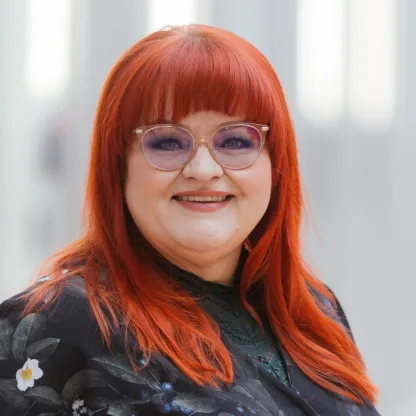
In line with this, Tehy President Millariikka Rytkönen says that, as part of its Government Programme objectives for the next term of office, Tehy is calling for part of the increase in defence spending required by the NATO defence alliance to be channelled directly into strengthening the healthcare and social welfare sector.
Rytkönen welcomes Minister of Defence Antti Häkkänen’s candid remarks as a welcome addition to the defence debate, which traditionally focuses on heavy armaments and fighter jets. Rytkönen states that, these days, personnel policy in the wellbeing services counties is, in fact, defence policy, and that healthcare and social welfare professionals are an important part of Finland’s military capability.
– I hope that other Finnish political decision-makers, besides the Minister of Defence, will realise that, particularly in the current circumstances, midwives, nurses, physiotherapists, early childhood educators and other highly educated professionals who are committed to their work must under no circumstances be driven out of the sector by budget cuts and cost-cutting measures. Each healthcare and social welfare professional who enjoys their work is of immeasurable value to Finland’s national defence. Tehy members are extremely committed to their work, even during emergency conditions, says Rytkönen.